


Exploring the Benefits of Hypnosis for Wellness
- Hypnotherapy Los Angeles
- Oct 30, 2025
- 4 min read

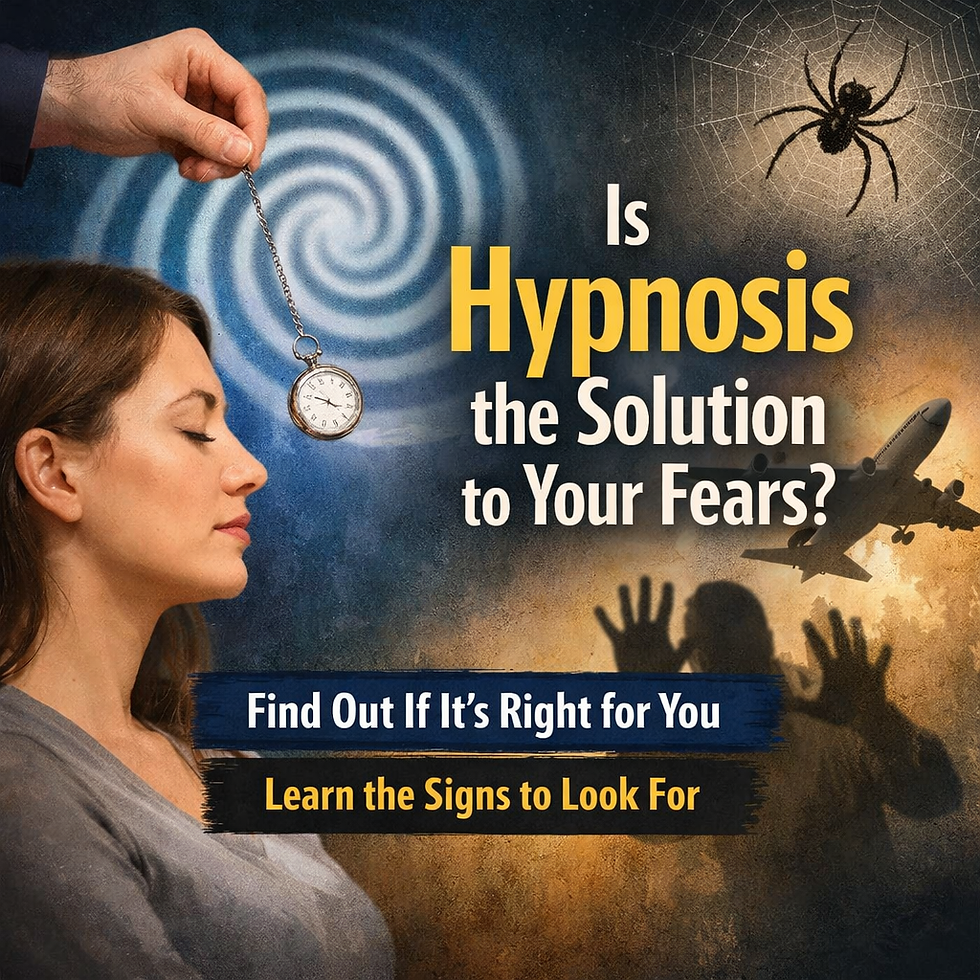
Hypnosis often brings to mind stage shows or mysterious mind control, but its true potential lies in supporting wellness and mental health. Many people overlook hypnosis as a practical tool for improving their quality of life. This post explores how hypnosis can help with stress, pain management, habits, and emotional balance, offering a clear view of its benefits backed by research and real-life examples.
What Hypnosis Really Is
Hypnosis is a focused state of attention and increased suggestibility. It is not sleep or unconsciousness but a relaxed, alert state where the mind is more open to positive suggestions. During hypnosis, people often feel calm and deeply focused, which allows them to access thoughts and feelings that are harder to reach in everyday awareness.
This state can be guided by a trained professional or self-induced through techniques like guided imagery or meditation. Hypnosis taps into the subconscious mind, where many habits, fears, and emotional patterns reside. By working with this part of the mind, hypnosis can help change unhelpful behaviors and promote healing.
How Hypnosis Supports Stress Reduction
Stress affects millions of people worldwide and contributes to many health problems. Hypnosis offers a natural way to reduce stress by promoting relaxation and changing how the brain responds to stressors.
During hypnosis, the body’s relaxation response activates, lowering heart rate and blood pressure. This physical calmness helps reduce anxiety and tension. Additionally, hypnosis can help people reframe stressful thoughts, making challenges feel more manageable.
For example, a study published in the International Journal of Clinical and Experimental Hypnosis found that participants who used hypnosis reported significant decreases in stress and anxiety levels after just a few sessions. This shows hypnosis can be a useful tool alongside other stress management techniques.
Managing Pain with Hypnosis
Pain is a complex experience influenced by both physical and psychological factors. Hypnosis can change how the brain processes pain signals, reducing the intensity of pain and improving coping skills.
Research has shown hypnosis to be effective for chronic pain conditions such as arthritis, fibromyalgia, and migraines. In one clinical trial, patients with chronic pain who received hypnosis reported a 30 to 40 percent reduction in pain intensity compared to control groups.
Hypnosis can also help during medical procedures by reducing the need for anesthesia and lowering discomfort. This makes it a valuable option for people seeking alternatives to medication or those who want to complement their existing pain management plan.
Breaking Unhealthy Habits
Many habits, like smoking or overeating, are deeply rooted in the subconscious mind. Hypnosis can help by addressing the underlying triggers and changing the automatic responses that lead to these behaviors.
For instance, hypnosis for smoking cessation often involves suggestions that increase the desire to quit and reduce cravings. A review of multiple studies found that hypnosis can double the chances of quitting smoking compared to willpower alone.
Similarly, hypnosis can support weight loss by promoting healthier eating habits and increasing motivation for exercise. It works best when combined with practical lifestyle changes and professional guidance.
Enhancing Emotional Well-being
Emotional health is essential for overall wellness. Hypnosis can help people manage anxiety, depression, and low self-esteem by changing negative thought patterns and building confidence.
During hypnosis, positive affirmations and imagery can reinforce feelings of self-worth and calm. This can lead to lasting changes in how people view themselves and their challenges.
For example, athletes often use hypnosis to improve focus and reduce performance anxiety. People dealing with public speaking fears or social anxiety have also found hypnosis helpful in building courage and relaxation.
What to Expect in a Hypnosis Session
A typical hypnosis session begins with a conversation to understand your goals and concerns. The practitioner then guides you into a relaxed state using calming words and imagery. While in this state, you receive suggestions tailored to your needs.
Sessions usually last between 30 to 60 minutes. Many people feel deeply relaxed and may even drift into light sleep, but they remain aware and in control. After the session, you might notice a sense of calm and clarity.
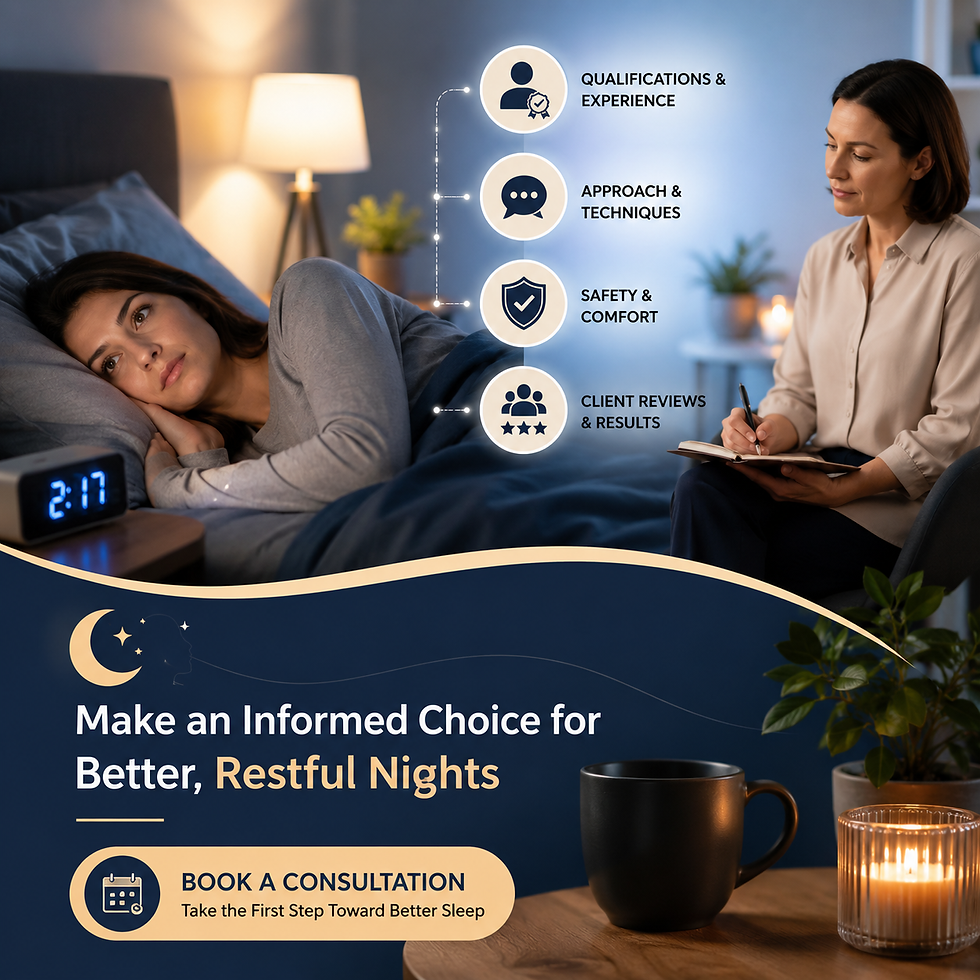
It’s important to work with a qualified professional who follows ethical guidelines and respects your comfort level. Hypnosis is a collaborative process, and your active participation helps achieve the best results.

Self-Hypnosis for Daily Wellness
You don’t always need a professional to benefit from hypnosis. Self-hypnosis techniques allow you to enter a relaxed state and give yourself positive suggestions. This can be a powerful tool for managing daily stress, improving sleep, or boosting motivation.
To practice self-hypnosis, find a quiet place, sit or lie down comfortably, and focus on your breathing. Use a recorded script or repeat calming phrases that align with your goals. With regular practice, self-hypnosis can become a valuable part of your wellness routine.
Safety and Considerations
Hypnosis is generally safe for most people when done by trained professionals. It is not a replacement for medical or psychological treatment but can complement these approaches.
People with certain mental health conditions, such as psychosis, should avoid hypnosis unless supervised by a specialist. Always discuss your health history with your practitioner before starting hypnosis.
Final Thoughts on Hypnosis and Wellness
Hypnosis offers a practical, natural way to support mental and physical wellness. It helps reduce stress, manage pain, break habits, and improve emotional health by working with the subconscious mind. Whether through professional sessions or self-hypnosis, many people find it a useful tool for enhancing their quality of life.
If you are curious about hypnosis, consider consulting a certified practitioner to explore how it might fit your wellness goals. With an open mind and consistent practice, hypnosis can become a valuable part of your self-care toolkit.



Comments