


How to Know If Hypnotherapy for Relationship Anxiety Is Right for You?
- Hypnotherapy Los Angeles
- Feb 14
- 4 min read


Relationship anxiety can quietly unravel even the most loving connections — leaving you second-guessing your partner, spiraling into worst-case scenarios, or feeling emotionally disconnected no matter how hard you try. If you’ve tried talk therapy, journaling, or self-help books and still feel stuck, you might be wondering whether hypnotherapy for relationship anxiety could be the missing piece. This article helps you cut through the confusion, understand what this approach actually involves, and decide whether it aligns with your needs, personality, and healing goals.
What Is Relationship Anxiety, Really?
Before exploring solutions, it’s worth understanding what you’re dealing with. Relationship anxiety isn’t just “being nervous around your partner.” It often shows up as:
Constant fear of abandonment or rejection, even when there’s no clear reason.
Overthinking conversations or reading too much into small behaviors.
Self-sabotaging patterns — picking fights, withdrawing, or pushing people away.
Difficulty trusting, even partners who’ve given you no reason to doubt them.
Physical symptoms like a tight chest, nausea, or trouble sleeping before or after conflict.
These patterns are often rooted deep in the subconscious — in early attachment wounds, past relationship trauma, or internalized beliefs about your own worthiness of love. That’s precisely where hypnotherapy for relationships becomes uniquely relevant.
How Does Hypnotherapy Work for Emotional Patterns?
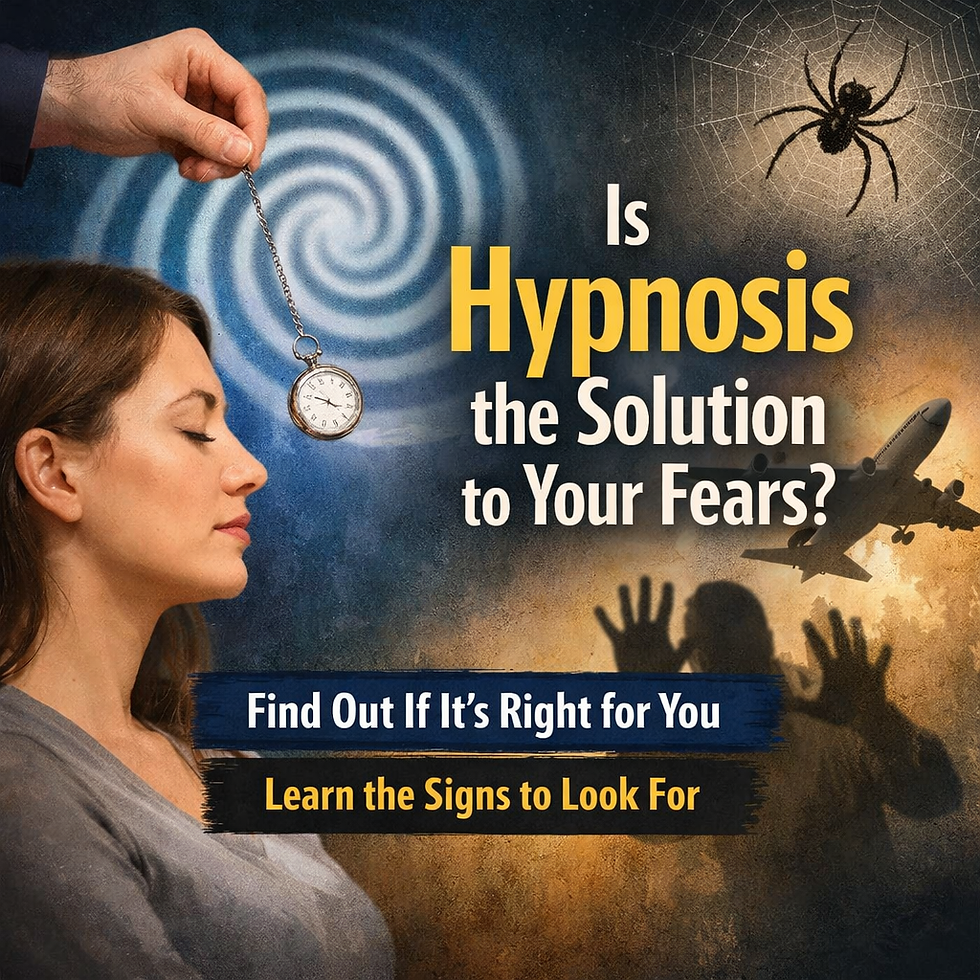
Hypnotherapy works by guiding you into a deeply relaxed, focused state — sometimes called a trance — where your conscious defenses soften, and your subconscious mind becomes more open to suggestion and reframing. According to Wikipedia, hypnotherapy is a form of psychotherapy that uses hypnosis as a the rapeutic tool to help individuals address psychological and behavioral issues.
Unlike traditional talk therapy, which primarily engages the analytical mind, hypnotherapy speaks directly to the emotional core — the part of you that knows intellectually your partner loves you but still panics when they don’t text back.
In a session focused on relationship patterns, a skilled hypnotherapist might help you:
Identify the origin of your anxious attachment style.
Neutralize emotional triggers that hijack your nervous system.
Implant new beliefs — such as feeling worthy of consistent love.
Practice calm, grounded responses to relationship conflict or uncertainty.
Signs Hypnotherapy for Relationship Anxiety Might Be Right for You
Not every approach works for every person. Here are clear indicators that hypnosis for relationship anxiety could be a strong fit:
You’ve done talk therapy, but feel like something’s missing. Cognitive tools help, but if your anxiety lives in your body and emotions more than your thoughts, hypnotherapy addresses the layer that traditional therapy sometimes doesn’t reach.
Your anxiety feels automatic and out of your control. If your fear response kicks in before you can even think, that’s a subconscious pattern — exactly what hypnotherapy is designed to rewire.
You’re open to guided relaxation and visualization. Hypnotherapy requires a willingness to surrender control briefly and trust the process. If you’re curious rather than resistant, you’re a great candidate.
Your anxiety is tied to a specific past experience. Childhood neglect, a toxic relationship, infidelity — these leave imprints that hypnotherapy can help process and release.
You want faster, deeper results. Many clients report meaningful shifts in fewer sessions compared to years of conventional therapy.
What to Expect in a Session?
A typical hypnotherapy for relationships session with a qualified practitioner involves an initial consultation to understand your history and goals, followed by induction (guided relaxation), therapeutic suggestion, and a gentle return to full awareness. Sessions are usually conducted in a calm, private environment — either in-person or virtually.
You remain fully conscious and in control throughout. You cannot be made to do or say anything against your will. The experience is often described as deeply peaceful — similar to the state just before sleep.
Is It Backed by Evidence?
Hypnotherapy has a growing body of research supporting its effectiveness for anxiety, trauma, and behavioral change. The American Psychological Association recognizes hypnosis as a legitimate adjunct to therapy. While relationship-specific studies are still emerging, the underlying mechanisms — reducing hyperarousal, reframing negative beliefs, improving emotional regulation — are well-documented.
Who Should Consider an Alternative Approach?
Hypnotherapy may not be the best starting point if:
You’re experiencing severe mental health conditions that require psychiatric support first.
You have significant resistance or skepticism that prevents relaxation.
Your anxiety is better explained by current relationship dynamics that need practical intervention (like couples counseling).
In those cases, a blended approach may be more effective — and the right practitioner will tell you honestly.
Why Choosing the Right Practitioner Matters?
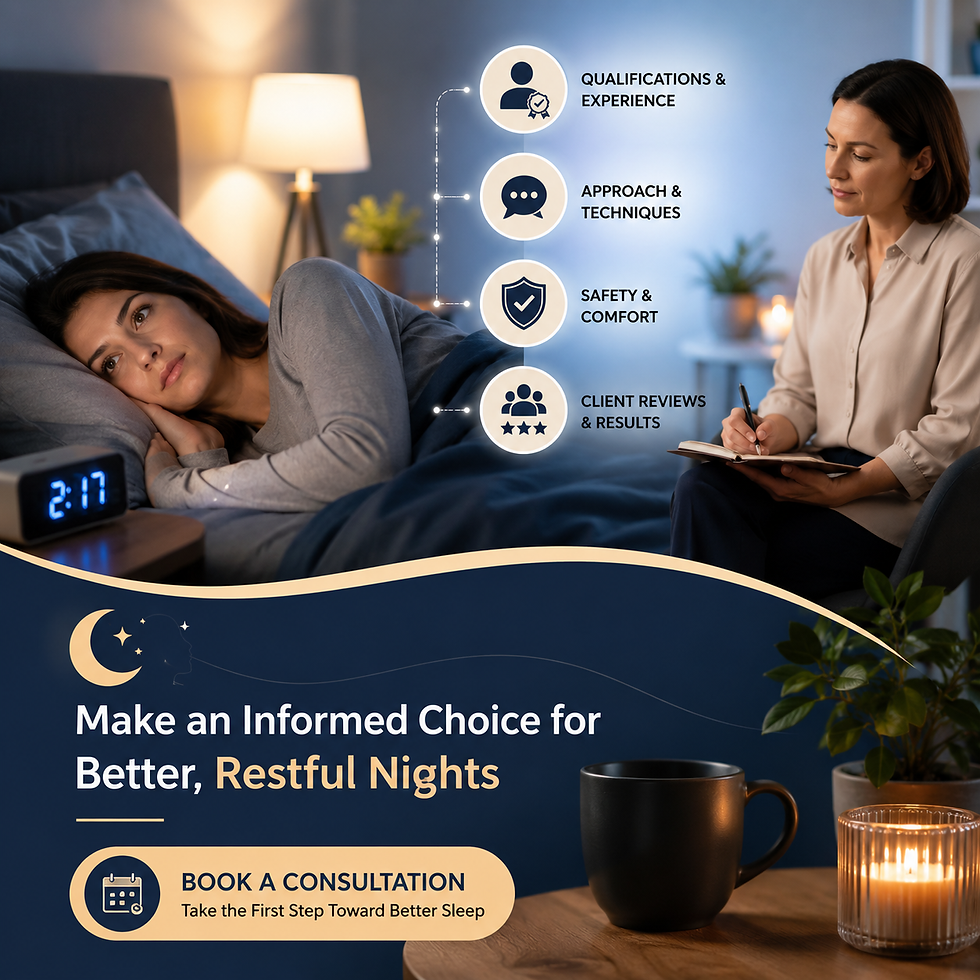
Results are only as good as the professional guiding them. If you’re in Southern California, Ava Evans Hypnotherapy Los Angeles offers specialized support for individuals navigating love anxiety, attachment wounds, and emotional patterns that keep relationships from flourishing. Working with a practitioner who understands both the clinical and emotional dimensions of relationship anxiety makes a meaningful difference in how quickly and deeply you heal.
If you’ve been living with relationship anxiety long enough to know that willpower and awareness alone aren’t cutting it, it may be time to explore what’s happening beneath the surface. Reaching out to a qualified hypnotherapist — especially one who specializes in emotional and relational patterns — could be the most self-aware, courageous step you take this year. Your nervous system learned these patterns once. With the right support, it can learn something new.



Comments